What is soaking prayer and is it biblical?
What is soaking prayer and is it biblical?
Soaking prayer is a practice in which someone attempts to ‘soak in’ God’s presence—often prompted by a physical sensation—through meditative methods such as music, prayer mantras, or emptying the mind. The Bible does not mention soaking prayer, and many of its techniques resemble mystically influenced meditation rather than biblical teaching.
what does the bible say?
Oftentimes, the most clever deception from the enemy is to mask something bad as something good. Soaking prayer would appear to be a good example of this tactic since it teaches us to empty our mind in an attempt to have a spiritual experience rather than follow the instruction of Romans 12:2 and 1 Corinthians 14:15, which tell us to be actively using our mind in our spiritual life. Additionally, 1 Peter 5:8 tells us to be alert to the enemy’s schemes, and Proverbs 4:23 emphasizes the need to protect our hearts. Furthermore, although Deuteronomy 7:1-5 was in the time of the Israelites, the application to set oneself against practices that go against the teachings of God—such as soaking prayer—is still in place for us today. Believers don’t need a physical, spiritually-charged experience. We are already sealed by the Holy Spirit (Ephesians 1:13) and Jesus is always with us (Matthew 28:20). God has graciously given everything we need to grow in godliness (2 Peter 1:3). Soaking prayer is not part of that, and its association with mysticism makes it clearly unsupported by Scripture.
from the old testament
- In the Old Testament God commands the Jewish people to not adopt pagan peoples’ ways (Deuteronomy 7:1-5). Intermingling with other cultures’ beliefs and traditions would lead them to worshiping other gods and participating in sin. While we are not the Israelites, the principle of avoiding practices that have roots in false religions like New Age mysticism still applies.
- Since we cannot find an applicable example in Scripture for soaking prayer, we must guard our hearts against it and other practices that may lead us to sin (Proverbs 4:23).
from the new testament
- Any spiritual encounter must be aligned with God’s Word and will through the Holy Spirit. Seeking spiritual experiences to have God’s presence in our lives is unnecessary; for believers, He is always with us (Matthew 28:20).
- Emptying our minds is different than focusing on God and His Word in order to pray. Our minds are to be very carefully tended because of the influences that disrupt the truths we find in the Bible. The Bible tells us that God intended prayer to engage our minds to align with His will (Romans 12:2; 1 Corinthians 14:15). Emptying our minds and waiting for something to arrive opens us up to unbiblical influences no matter how mature in Christ we are.
- When God chooses to reveal Himself to an individual or group, it is on His initiative, not on our manipulation of ourselves or Him. Looking for a special experience of God also goes against the biblical promise of the presence of the Holy Spirit as a seal on every person who believes in Jesus (Ephesians 1:13).
- First Peter 5:8 warns believers to be alert to Satan’s schemes, which can come in many forms, including ideas or thoughts that are not from God. Taking this into account, we are wise to approach spiritual practices like soaking prayer with biblically-influenced caution.
- If we do soaking prayer, we may risk acting as if God’s promises aren’t enough for our spiritual lives. He has given us everything we need to lead a godly life (2 Peter 1:3). As such, we need not invent ways to feel closer to Him.
implications for today
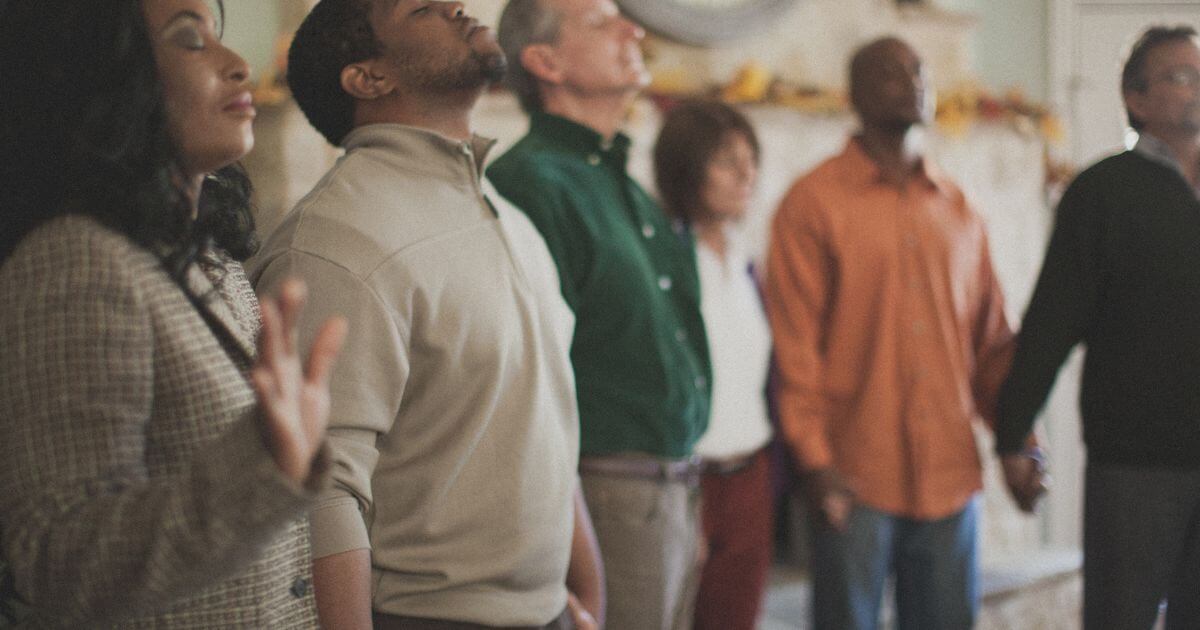
Soaking prayer is a practice by which someone typically lies or sits very still, often listening to music, prays simple prayers, keeps the mind clear of distracting thoughts, and waits on the presence of God. His presence is said to be felt by some type of physical cue, like tingling skin or feeling hot or cold. Once the person has that sensation, they “soak in” the presence of God by being fully present to Him. At face value, this seems like a good practice that would bring someone closer to God. However, believers should be cautious about the practice for two reasons: For one, Scripture presents no examples of soaking prayer. Believers communicate with God through prayer, which is modeled for us in Scripture. The Bible shows people standing, sitting, kneeling, and lying down while they pray. We see hands lifted up, hands holding things and touching people, eyes open, and eyes closed. We see people praying out loud, mumbling to themselves, and singing praises. The variations in posture during prayer are many and varied. In all of these instances, the person is seeking God with purpose, specificity, and intent. What we do not see in the Bible are any stories of someone waiting to just experience God’s presence. The second big issue with soaking prayer is that it is very close to a meditative state that is highly unsupported by the Bible. Eastern spirituality and mysticism can easily encroach on Christian practices if we aren’t careful. Many non-biblical forms of meditation and prayer include the concept of emptying one’s mind from distracting thoughts; yet, we are encouraged in Scripture to be mindful—especially in our spiritual lives. Ultimately, instead of chasing an “experience” like soaking prayer, we should partake in the solid, spiritual food of applying God’s Word to our life as we diligently seek after Him daily.
Recap
understand
- Soaking prayer has elements of New Age mysticism that Christians should avoid.
- The Bible contains no example of a practice like soaking prayer.
- God has sealed believers with the Holy Spirit and has given them everything needed to worship Him rightly.
reflect
- How do you ensure your prayer life stays focused on God rather than chasing spiritual experiences?
- How do you rely on the Holy Spirit to guide and strengthen your prayers?
- How does knowing that God has already given you everything you need to connect with Him impact your relationship with Him?
engage
- What are some warning signs that a prayer or worship practice may be drifting into unbiblical territory?
- Why do you think practices like soaking prayer gain popularity among Christians, even without biblical support? How can we respond biblically?
- How can the church equip believers to discern and avoid spiritually misleading practices while cultivating a strong, biblically grounded prayer life?