Is the question, “What is the name of His son?” in Proverbs 30:4 referring to Jesus?
Is the question, “What is the name of His son?” in Proverbs 30:4 referring to Jesus? What is the meaning of Proverbs 30:4?
Is the Rastafarian / Rasta god “Jah” the same as the Christian God? Is Jah the same is Jehovah/Yahweh?

“Jah” as worshiped in Rastafarianism is not the God of the Bible. While Rastafarians may borrow names and imagery from Scripture, their system elevates a human (Haile Selassie) as divine, misinterprets the Old Testament, and replaces faith in Jesus with cultural rituals. The Bible sets a clear standard: the true God is the God revealed in the Bible, and salvation, eternal life, and spiritual guidance come only through Him in Christ.
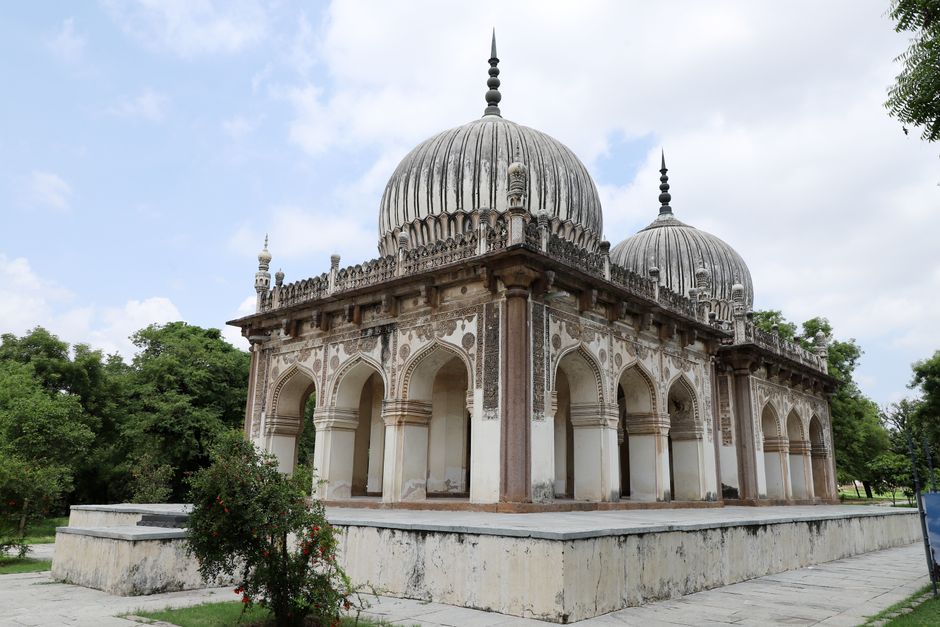
Is the resurrection of Jesus Christ true? What does the Bible give as proof that the resurrection of Jesus Christ truly happened?
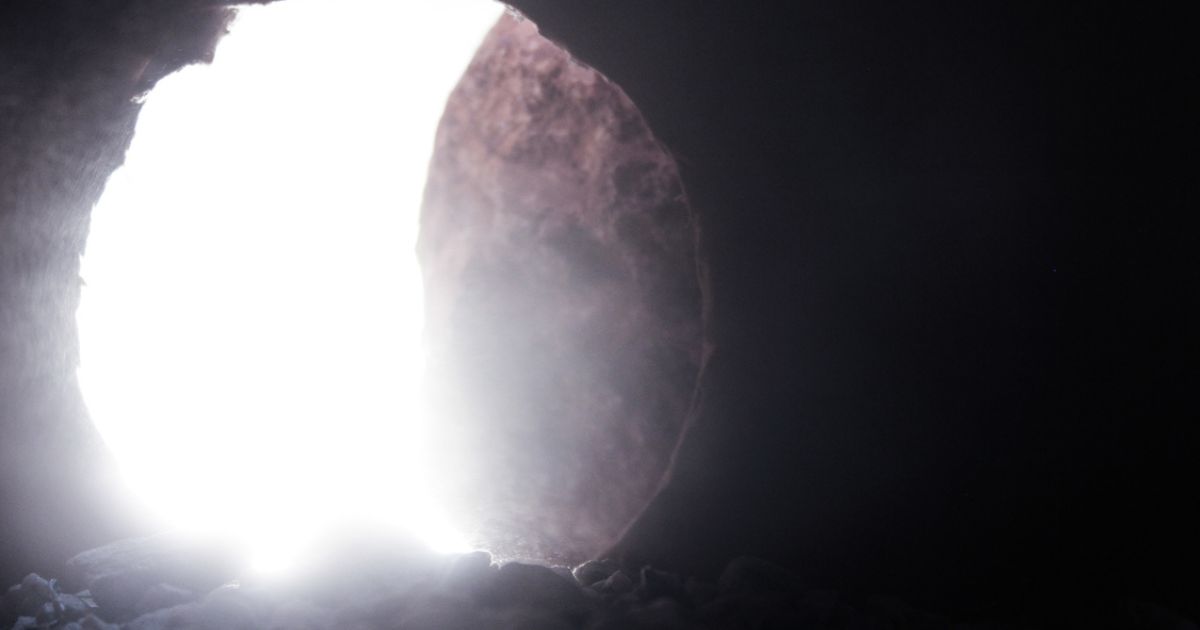
Scripture presents Jesus’ resurrection, the central tenant of Christian faith, as a real, historical event witnessed by many. The New Testament does not try to prove the resurrection of Jesus; it assumes it and records some of the people, places, and changed lives that were impacted by it.

Is the resurrection spiritual or physical? In eternity, will our bodies by physical or spiritual?

Christ’s imminent return means that it can happen at any moment—not that it will happen immediately. In light of Christ’s imminent return, we must live in readiness, trusting in Him, living holy lives, and sharing the gospel.
Is the rock opera Jesus Christ Superstar biblical? How does the plot of Jesus Christ Superstar compare to the biblical Gospels?

The Bible never mentions a Pastor Emeritus, but it does encourage honoring faithful leaders who have served well. A healthy pastor transition honors the outgoing pastor’s service while clearly placing spiritual authority with the new pastor, ensuring the church moves forward without confusion or divided loyalty.
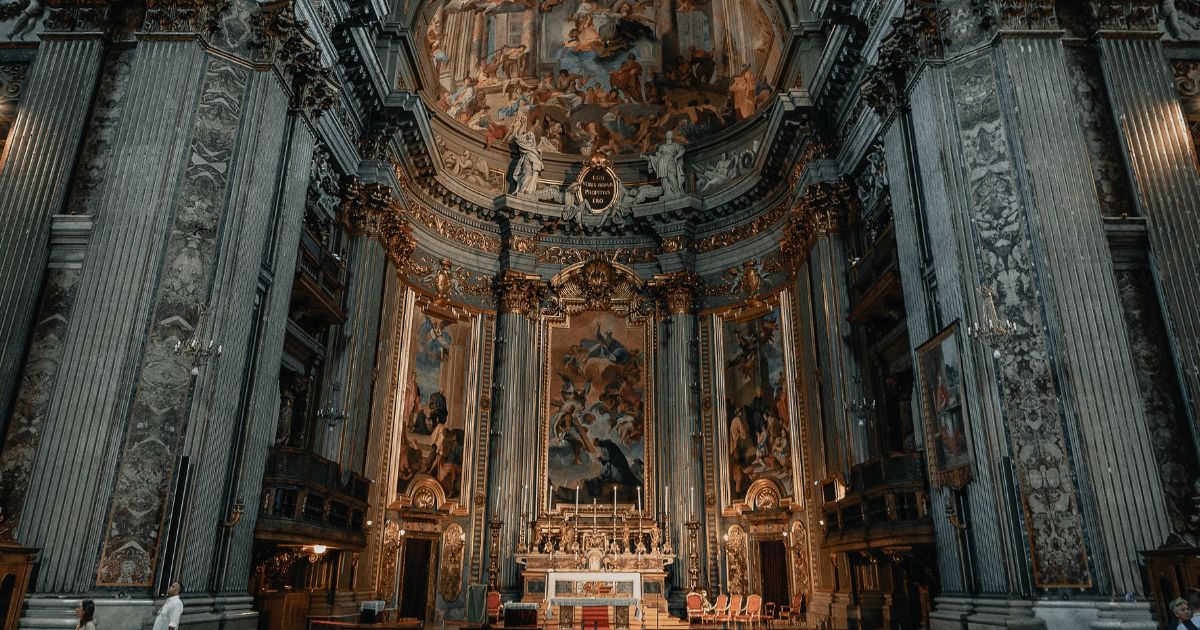
The Bible shows that the true foundation of God’s church is Christ and the faith of His followers, not any human leader or institution. While Catholics call Rome the “mother church,” Scripture does not support the idea that the Roman Catholic Church is the origin or authority of all believers.