
Are the miracles in the Bible to be taken literally?
Are the miracles in the Bible to be taken literally? Did the miracles truly occur exactly as the Bible records?
Are the miracles in the Bible to be taken literally? Did the miracles truly occur exactly as the Bible records?

Are the miraculous gifts of the Spirit for today? Does the Spirit still give the gifts of tongues, prophecy, miracles, and healing today?
Are the miraculous gifts of the Spirit still active? What was the purpose of the miraculous spiritual gifts of the Holy Spirit?
Are the numbers in the Bible accurate? In Numbers 1:45-46, how could Israel have an army this size?

Apostles and prophets clearly existed in New Testament times but only for a specific time and purpose. Today, with the completion of the Bible, there is no more need for the offices of apostle and prophet.

Some Christmas traditions have historical connections to pagan customs, but many have been reinterpreted with Christ-centered meaning. Scripture encourages discernment, not legalism, reminding us that what matters most regarding Christmas is honoring Jesus in how we celebrate.

The Psalms of Solomon is a pseudepigraphal collection of psalms written around 60 BC. While the Psalms of Solomon are not considered inspired Scripture, they reflect the messianic hopes prevalent among Jews during the Second Temple period, which offers a backdrop to the New Testament's portrayal of Jesus as the fulfillment of these messianic prophecies.

Are the pyramids mentioned in the Bible? Did the enslaved Israelites build the pyramids? If not, for what purpose did the Egyptians enslave the Israelites?
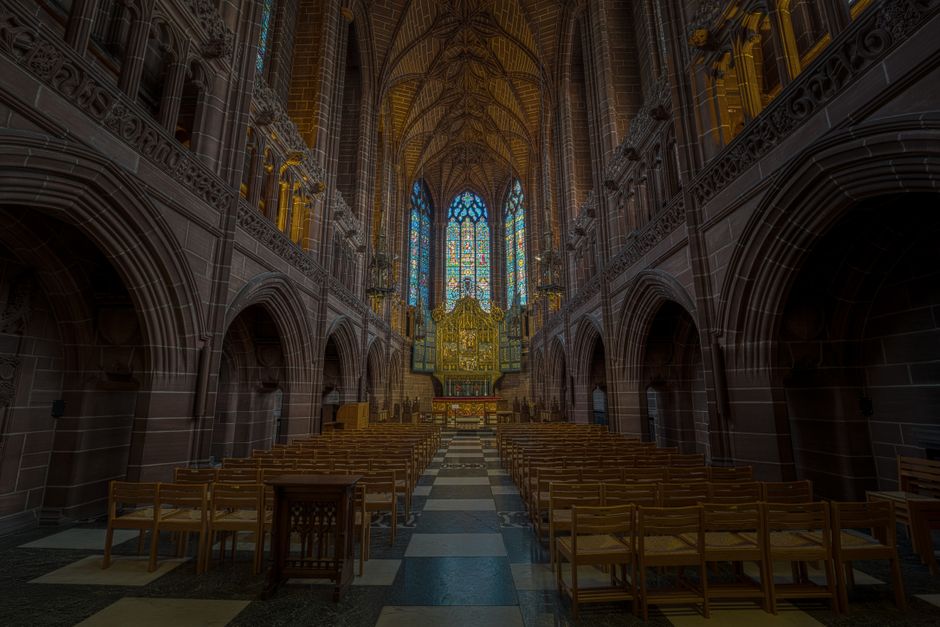
Are the seven Catholic sacraments biblical? Are there any aspects of the seven Catholic sacraments that do not agree with the Bible?

The claim that human and chimpanzee DNA is 95-98% similar is often used as evidence for naturalistic evolution. However, closer examination reveals significant challenges to this interpretation, including differences in non-coding DNA, deleterious mutations, and inconsistent patterns in the "human accelerated regions" (HARs). These findings align better with the idea of a common Designer using similar templates rather than undirected evolutionary processes.