How could David say, “Surely goodness and mercy shall follow me all the days of my life” (Psalm 23:6)?
How could David say, “Surely goodness and mercy shall follow me all the days of my life”? What is the meaning of Psalm 23:6?
How could David say, “Surely goodness and mercy shall follow me all the days of my life”? What is the meaning of Psalm 23:6?
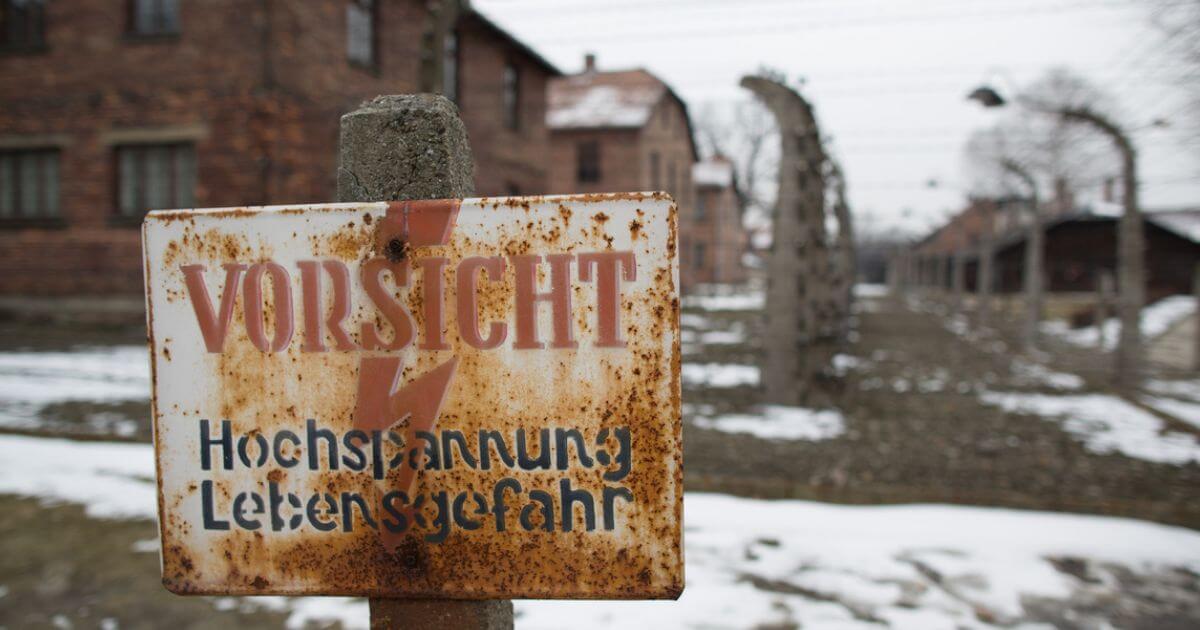
Atrocities such as the Holocaust are the result of sinful choices made by sinful men in rebellion against a holy God. Rebellion stems from pride and a desire to be one's own master, rejecting God's rightful rule.

How could Jacob not notice he married Leah instead of Rachel? How was Laban able to deceive Jacob into marrying Leah instead of Rachel?

How could Jeremiah say, “Great is your faithfulness”? What is the meaning of Lamentations 3:23?

Jesus prayed to God the Father because it was an appropriate, natural, and essential part of His mission on earth. Jesus’ prayers set an example for us to grow in intimacy with our Heavenly Father.
How could Jesus say, “Your sins are forgiven,” before He died on the cross?
How could Job say, “Though He slay me, I will trust in Him”? How could Job still trust God even though God allowed horrible things to happen to him?
How could Lot be considered righteous in light of his many failures? What is the meaning of 2 Peter 2:7?

How could the laws of God be written on doorframes, gates, and foreheads?
How could the psalmist say, “I have never seen the righteous forsaken”? What is the meaning of Psalm 37:25?