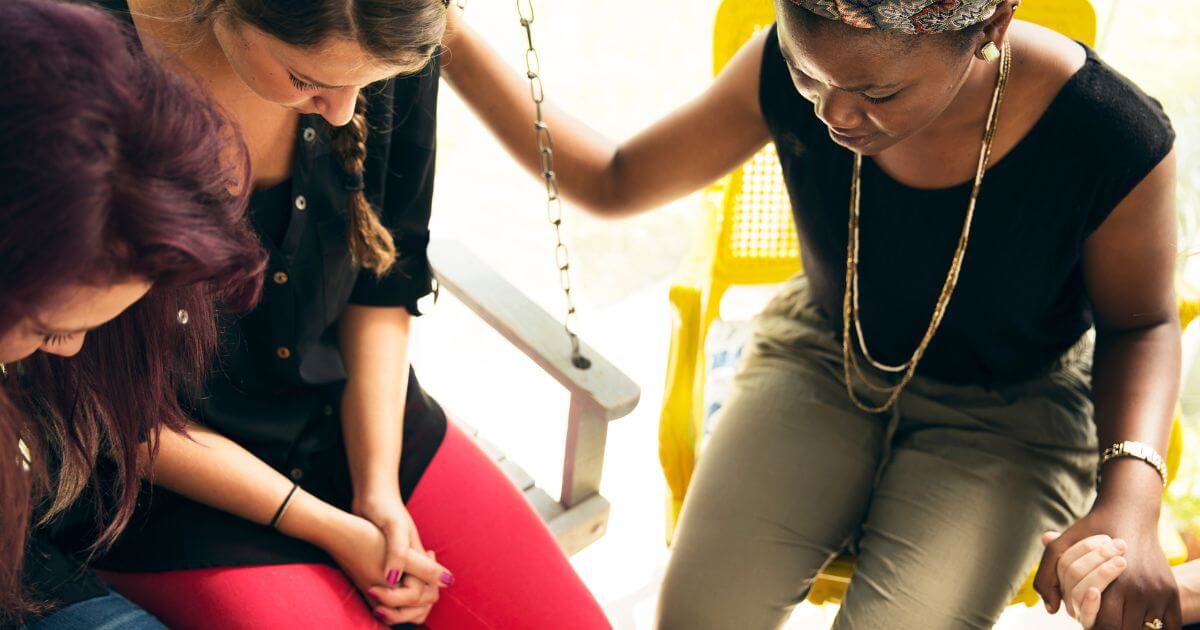
What does the Bible say about public prayer? Is it okay to pray in public?
What does the Bible say about public prayer? Is it okay to pray in public?
Public prayer glorifies God when our hearts are focused on Him. Public prayer is a powerful way to honor God, encourage believers, and demonstrate trust in Him.
what does the bible say?
Public prayer is not inherently sinful. As long as our prayers are focused on God, not on demonstrating self-righteousness in front of others, public prayers can be encouraging. Hypocritical prayers meant to showcase righteousness are condemned, but sincere public prayer can inspire, encourage, and glorify God. Both the Old and New Testaments include public prayer, showing that public prayer can glorify God just as well as private prayers. Christians are called to engage in both private and public prayer, confident that God honors those who seek Him genuinely and humbly.
from the old testament
- Solomon’s public prayer at the dedication of the temple didn’t result in any rebuke by God. Of note about Solomon’s prayer is that his focus was on God and the people, not himself (1 Kings 8:22–23).
- Ezra drew a crowd when he prayed publicly in anguish at Israel’s lack of dedication to God (Ezra 10:1), but he didn’t suffer rebuke from the people or from God for his public prayer.
- When Daniel prayed within sight of others (and against the laws of the time), he was arrested. It was this act that condemned him to the lion’s den. However, when Daniel was there, God protected him. The king who once sought to have him punished declared God’s goodness throughout the entire l and (Daniel 6:25–27).
from the new testament
- Throughout Jesus’ ministry, He prayed in public, such as when He miraculously fed thousands of people (Matthew 14:19), when He broke bread with His disciples (Matthew 26:26-27), and when He prayed “‘My God, my God, why have you forsaken me?’” from the cross (Matthew 27:46).
- However, prior to teaching the disciples the Lord’s Prayer, Jesus warned them about praying in public: “And when you pray, you must not be like the hypocrites. For they love to st and and pray in the synagogues and at the street corners, that they may be seen by others. Truly, I say to you, they have received their reward. But when you pray, go into your room and shut the door and pray to your Father who is in secret. And your Father who sees in secret will reward you” (Matthew 6:5–6). The difference was in the motivation. Jesus warned them about being hypocritical in their prayers, focusing on “performing” to show their righteousness rather than sincerely approaching God in humility.
implications for today
The Bible provides ample evidence for public God-honoring prayer in such figures as Solomon, Ezra, Daniel, and especially Jesus, who prayed in front of thousands as well as with His inner circle. Public prayer allows us to corporately come before the Lord. They show us the importance of communal faith and dependence on God. When motivated by humility and reverence, public prayer strengthens the church and bears witness to His glory to a world that desperately needs Him. At the same time, the Bible condemns hypocritical prayers made to be noticed or honored by those within ear-shot. When we’re invited to pray in public, we must examine our motives. Our first audience, as in all prayer, is God Himself. We should also think and pray about who will hear or eavesdrop on our conversation with God (for that is what prayer is, talking with God). Being cognizant of how we represent our relationship with Him to others is important, but wanting to pray publicly to be thought highly of is unbiblical. At the same time, avoiding public prayer for fear of embarrassment or out of shame is also unbiblical. May we pray humbly but boldly both privately and publicly, for the glory of God.
Recap
understand
- Public prayer is sinful when the motivation is to perform for other people.
- Public prayer can be God-honoring when done with the right heart attitude.
- Christians should pray boldly and humbly, both privately and publicly.
reflect
- How do you guard against your public prayers becoming performances for others?
- How do you keep the focus on God during public prayers?
- How does your approach to public prayer reflect your personal relationship with God?
engage
- How can we create an environment that encourages genuine public prayer without fear or judgment?
- How can the church better encourage God-honoring public prayer among believers?
- Why might some believers be too embarrassed or fearful to pray in public? How can e that?