What is a prayer chain?
What is a prayer chain?
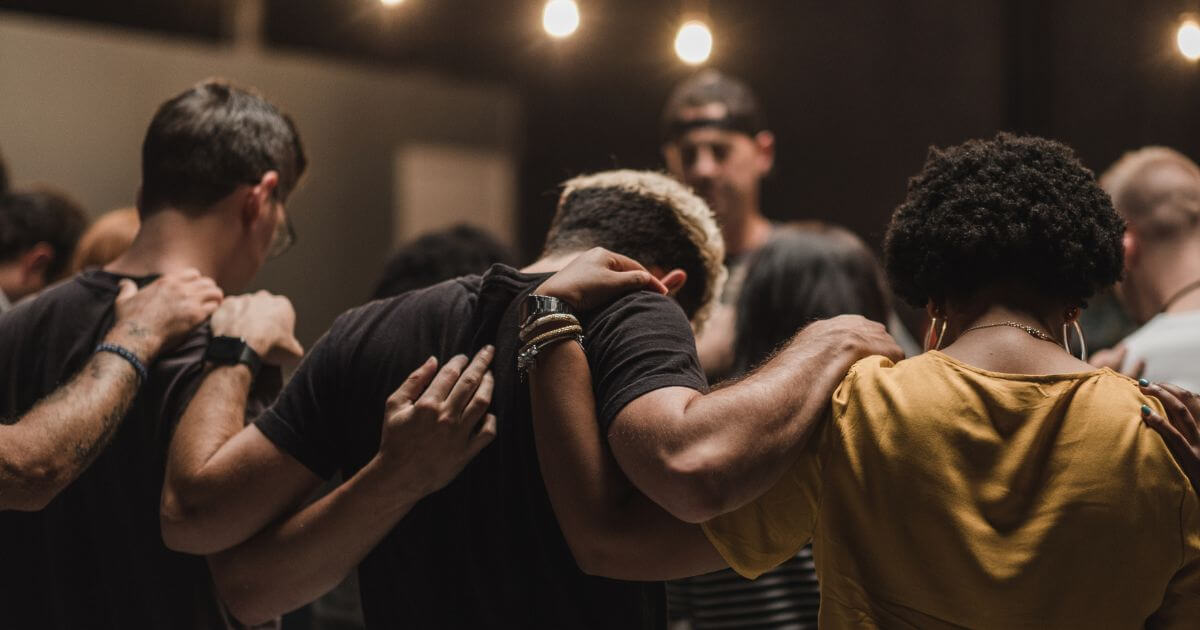
A prayer chain is when groups of people or church members pass on prayer requests from one person to another. The symbolic language of a prayer chain shows the unbroken unity of those coming before God in prayer.
what does the bible say?
The Bible doesn’t present the concept of prayer chains. However, both the Old and New Testaments show people praying for others, which is the end result of a prayer chain. Abraham prayed to God to heal Abimelech (Genesis 20:17), and both Moses and later Samuel prayed to God for the nation of Israel (Exodus 32:11-14; 1 Samuel 12:23). The New Testament also contains examples of praying for others. The apostle Paul prayed for unbelieving Jews as well as believers to whom he wrote letters (Romans 1:9-10, 10:1; 1 Corinthians 1:4; Ephesians 1:16-17). Acts records believers praying for Peter who had been imprisoned (Acts 12:5). James 5:13-18 specifically encourages calling on other believers to pray for physical healing. Prayer chains can be a way for believers to support each other (Galatians 6:2). As we live in a Christ-like manner with fellow believers, we can encourage and love others through participating in community-building activities like prayer chains.
from the old testament
- The Old Testament contains examples of people praying for others, just as Abraham prayed for Abimelech after Abimelech unwittingly took Sarah (Genesis 20:17).
- After the Hebrews sinned by worshipping a golden calf, Moses prayed for God to spare them (Exodus 32:11-14).
- In Samuel’s farewell address to the nation of Israel, he promised to pray for them (1 Samuel 20:23).
from the new testament
- The apostle Paul frequently prayed for other believers (Romans 1:9–10; 1 Corinthians 1:4; Ephesians 1:16-17).
- When Peter was imprisoned, other believers prayed for him (Acts 12:5), and God released him.
- Even with prayer chains, God never promises how He will answer prayers, but He does promise to hear us (1 John 5:14), whether we pray individually or collaboratively.
- James 5:16 exhorts believers to “pray for one another” and asserts the effectiveness of a righteous person’s prayers.
- Prayer chains, no matter if by phone, text, or online group messaging, are a powerful tool to facilitate intercession for our brothers and sisters in Christ, which God most certainly wants for His church (James 5:13-18).
implications for today
A “prayer chain” is a phrase that originated before the Internet or instant messaging when passing requests via phone was a regular occurrence. A church or group would establish the prayer chain beforeh and so that each person knew the two or three people they were to call, who each had two or three people to call and so on, until the whole list was informed of the request and could pray as one. This was the most efficient way to get a large number of people praying at one time. Today, we have even more means of connecting the church of God through technology in an even bigger chain of prayers that are like incense before our Father in Heaven (Revelation 5:8). We can use any communication method available to share requests of concern or praise with as many Christians as possible. We do not need to feel specifically “gifted” in prayer to be a part of a prayer chain. The willingness of our hearts is most important. Imagine the impact of millions of voices lifted to God as one to intercede on behalf of a person or issue.
Recap
understand
- A prayer chain involves church congregants passing on prayer requests from one person to another.
- A prayer chain emphasizes the unity within the body of Christ.
- God hears believers’ prayers, whether one or many pray.
reflect
- How has participating in a prayer chain shaped the way you pray for others and strengthened your faith?
- How do you make praying for others a regular part of your personal prayer life?
- How could being part of a prayer chain or something similar help you feel more connected to the body of Christ?
engage
- How can a prayer chain encourage unity and support within a church body?
- What are some creative ways we could exp and the practice of collective prayer beyond traditional chains?
- How can we explain the importance of group prayer?