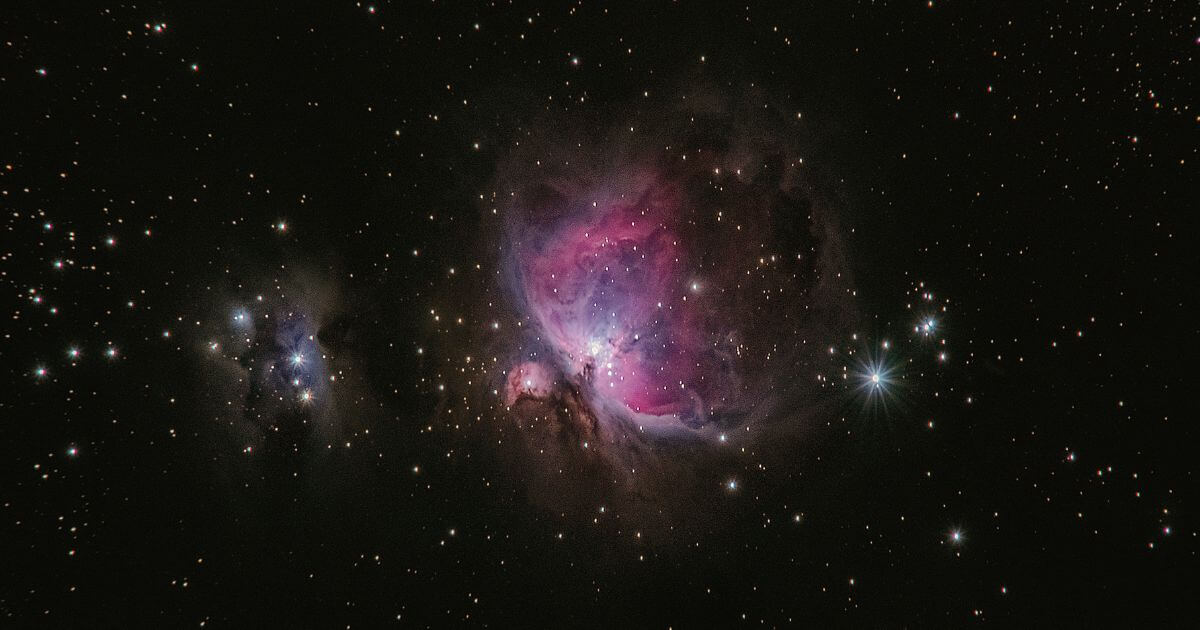
Is the multiverse theory plausible? What is the multiverse?
Is the multiverse theory plausible? What is the multiverse?
The multiverse theory suggests the existence of many universes beyond our own. The multiverse theory remains speculative, is unsupported by evidence, and poses no serious challenge to the Christian worldview.
what does the bible say?
The idea of a multiverse has gained attention in recent decades, particularly in the fields of theoretical cosmology and philosophy. It’s important to note that the term “multiverse” has several different meanings, depending on the context. First, in the realm of philosophy and modal logic, “multiverse” often refers to “possible worlds.” These are hypothetical scenarios, used to imagine how things could have been different in the actual world. For example, there could be a possible world where you are taller than you are in reality. However, this idea is not meant to suggest that such a world physically exists—it’s simply a way for philosophers to discuss how reality might differ under different circumstances. This philosophical use of “possible worlds” doesn’t imply the existence of a multiverse in any literal sense and has no impact on our understanding of the actual universe God created. A second, more speculative version of the multiverse comes from quantum mechanics, often referred to as the “many-worlds interpretation.” This theory proposes that every possible quantum event creates a new universe, leading to an infinite number of parallel universes. However, this idea is not taken seriously by most physicists, and there is no experimental evidence to support it. Moreover, this interpretation raises severe theological issues, such as the possibility of worlds where sin never occurred, or where Christ was never raised from the dead. This concept contradicts the Bible’s teaching that Christ’s redemptive work is universal and singular (John 14:6). The most common usage of the multiverse theory comes from theoretical cosmology, where it suggests that our universe is just one of many. In this version, each universe may have slightly different physical laws or properties, which could explain why our universe appears to be “fine-tuned” to support life. While this theory may sound appealing to those who wish to explain life’s existence without invoking a Creator, there is no direct evidence to support it. In fact, the multiverse theory is often viewed as a speculative way to avoid the problem of life’s improbability in an atheistic worldview.
from the old testament
- Genesis 1:1: “In the beginning, God created the heavens and the earth.” This foundational verse affirms that the universe—and any potential multiverse—was created by God, placing Him as the ultimate authority over all existence.
- Isaiah 45:12: “I made the earth and created man on it; it was my hands that stretched out the heavens, and I commanded all their host.” God is in control over all creation, whether within a single universe or beyond.
from the new testament
- Colossians 1:16: “For by him all things were created, in heaven and on earth, visible and invisible…” This verse declares that everything—whether we see it or not—was created by God, suggesting that even if a multiverse existed, it would still fall under God’s sovereign creation.
- Hebrews 11:3: “By faith we underst and that the universe was created by the word of God…” The Bible teaches that God’s spoken word brought the universe into existence, affirming that creation is not a random occurrence, but a deliberate act by a purposeful Creator.
implications for today
The multiverse theory, while intriguing to some, ultimately lacks both biblical and scientific support. For Christians, the concept poses no real threat to our understanding of creation. Whether or not a multiverse exists, the Bible affirms that God is the Creator of all things, seen and unseen, and that His design for our universe is intentional and purposeful. Rather than being distracted by speculative theories, we can rest in the assurance that God’s creation reflects His wisdom, design, and sovereignty. Even if a multiverse were someday proven to exist, it would still be part of the magnificent and intricate creation God has designed.
Recap
understand
- The multiverse theory posits the existence of multiple universes beyond our own, but it is speculative and lacks empirical evidence.
- God created all things in the universe.
- Even if more universes were discovered, it would not change God’s sovereignty over His creation, including the multiverses.
reflect
- How does the idea of a multiverse challenge or reinforce your understanding of God’s sovereignty over creation?
- In what ways can engaging with speculative theories, like the multiverse, deepen your faith or understanding of the universe God created?
- How do you reconcile the scientific theories you encounter with your beliefs about creation, as described in the Bible?
engage
- What are the theological implications of a multiverse for key Christian doctrines, such as sin, redemption, and salvation?
- How can we respond to the claims of the multiverse theory when discussing the reliability of Scripture with those who hold differing views?
- How might the multiverse theory be viewed as a reflection of humanity’s desire to underst and existence beyond the confines of our observable universe?