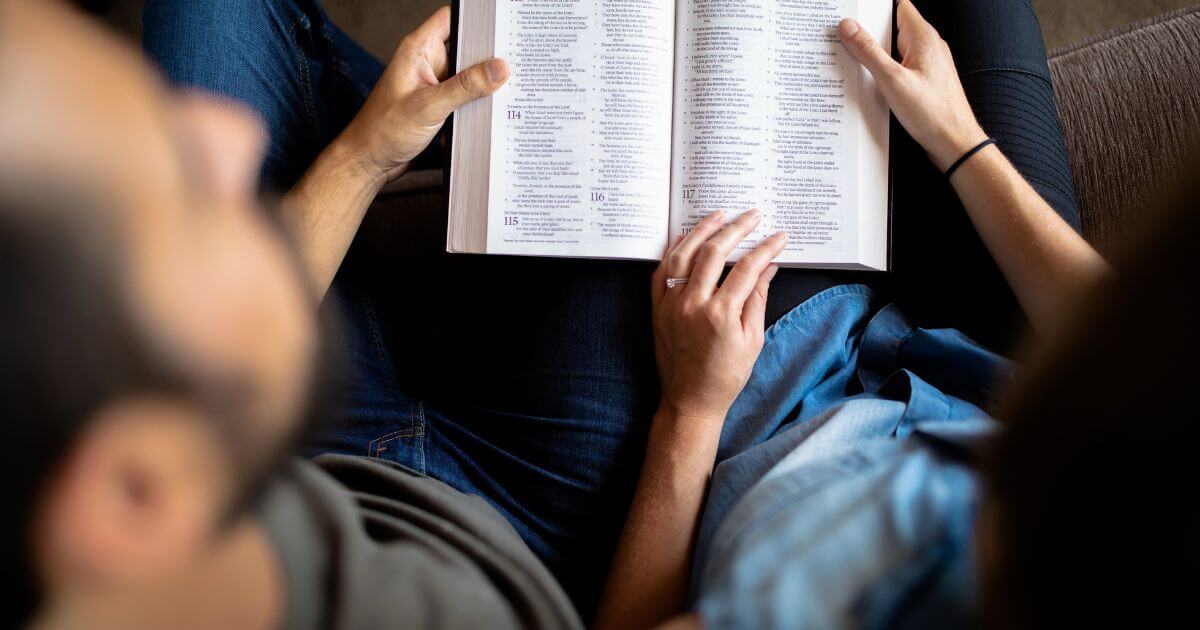
Is a home / house church biblical?
Is a home / house church biblical?
A home church is biblical when it faithfully follows God’s teachings, practices, and leadership principles. The location doesn’t define the church—what matters is that believers gather to worship, learn, and support one another in Christ.
what does the bible say?
House churches are certainly biblical. In fact, the first church began in a home on the Day of Pentecost (Acts 2), and Acts 2:42-47 provides a description of the early church that included a focus on the apostles’ teaching, fellowship, breaking of bread, and prayer. It also records people sharing resources to meet needs, God working in mighty ways, and others joining the Christian movement. Later in Acts 5:42, we see that the apostles preached and taught in both houses and in the temple. Moreover, in Romans 16 many house churches are mentioned and in 1 Corinthians 16:19 and Philemon 1:2 hosts of house churches are mentioned by name.
from the old testament
- The Old Testament doesn’t specifically mention “house churches,” since the church as the body of Christ didn’t exist yet. However, it does provide principles about gathering for worship, teaching, and fellowship that support the idea of believers meeting in homes or small groups. For example, God’s people were often commanded to teach His Word to their families and dwellings (Deuteronomy 6:6-7).
- While large assemblies took place at the temple, smaller gatherings in homes or local settings were common for prayer, teaching, and fellowship (Exodus 12:3-6, Numbers 9:1-14).
- Believers were called to open their homes to others for mutual encouragement and support (Genesis 18:1-8; 1 Samuel 1:24-28 shows dedication and shared worship within the family context).
from the new testament
- On the Day of Pentecost (Acts 2) the first church was “born” in a home, and in Acts 2:42-47, we see how the church functioned and how God blessed it with more members.
- The first church in Jerusalem actually consisted of both home gatherings and larger outdoor worship times. Acts 5:42 notes, “And every day, in the temple and from house to house, they did not cease teaching and preaching that the Christ is Jesus.”
- In Romans 16, multiple house churches in Rome are mentioned.
- Other early churches also met in homes. For example, Aquila and Prisca held church meetings in their home (1 Corinthians 16:19).
- In Philemon 1:2, a church met in the home of Philemon.
implications for today
It is important to keep in mind that the term “church” in the New Testament was used in reference to the gathering of believers rather than the building in which they met. A church gathering can meet in a home, an outdoor location, a church building, a cathedral, a school, a gymnasium, or any other structure suitable to corporate gatherings aimed at worshipping God. Three concerns are often mentioned regarding modern house churches. First, home churches are often non-traditional and do not “feel” like church to those accustomed to meeting in church buildings. This is a cultural issue and not a biblical concern. Some people will feel like they can worship better in a cathedral while others prefer a home. The issue here is not biblical, but cultural. Second, home churches are sometimes started in opposition to what is seen as the institutional church. This motive could be seen as questionable. Churches are not intended to work as one congregation against another but rather serve as parts of the same Christian family. Third, home churches tend to lack the accountability of a larger church or church that is connected with a network or denomination of churches. In home churches, theological corruption or sinful moral practices can more easily become part of the lives of church members when there is no outside network of believers to help with theological beliefs or moral purity. While home churches can serve as a biblical church, especially in remote locations or where there are few Christians, there are both other locations in which church gatherings can take place as well as concerns to address for those who choose to participate in a house church. Location is less important than the functions of the church, which is to ultimately be a place of worship for God and a community from which to make disciples.
Recap
understand
- House churches are biblical, as the first church met in homes.
- Church is defined by gathering and worship, not location.
- Home gatherings must follow biblical teaching, accountability, and unity with other believers.
reflect
- How do home churches challenge your view of what it means to worship and gather as believers?
- What would you find encouraging or challenging if your church met in a home setting?
- How can you ensure that your heart and actions align with God’s purposes, regardless of the location of your worship?
engage
- How can house churches maintain accountability and biblical teaching while meeting outside a traditional church building?
- What advantages or challenges are there in meeting for church in homes compared to larger, institutional settings?
- How can believers maintain the biblical purpose of a church regardless of the location or structure of the church?