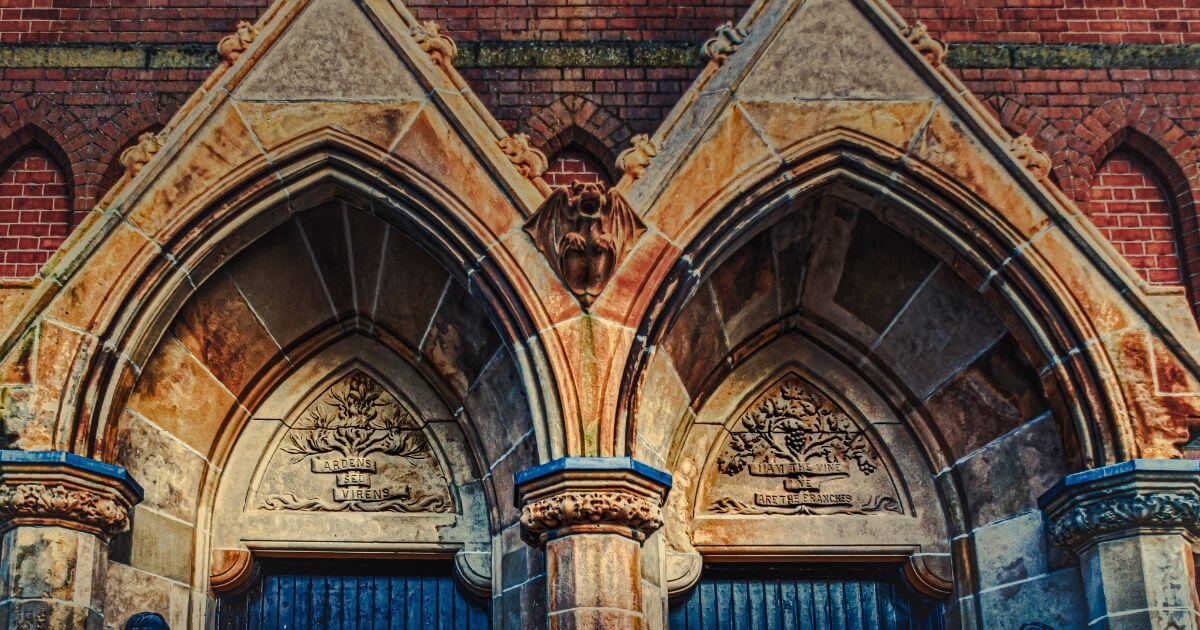
What are 'High Church' and 'Low Church'?
What are ‘High Church’ and ‘Low Church’?
High and Low churches differ in style: High churches emphasize formal liturgy and structure, while Low Churches focus on Scripture alone and unstructured worship. What truly matters is worshiping God in spirit and truth, no matter the style.
what does the bible say?
High and Low Churches reflect different approaches to worship: High Churches value formal liturgy, ritual, and structured worship, while Low Churches prioritize Scripture, preaching, and a more flexible, participatory style. Instead of assuming that one church is better than the other, we should remember that God cares about us worshiping Him in spirit and truth. In John 4:23b–24, a Samaritan woman pointed out to Jesus that Samaritan Jews worshiped and believed differently than Judean Jews, yet Jesus’ response was that “the true worshipers will worship the Father in spirit and truth, for the Father is seeking such people to worship him. God is spirit, and those who worship him must worship in spirit and truth.” This kind of worship can be found in both High Churches and Low Churches. Moreover, if we push too strongly for there to be only one, man-made version of worship, we risk passing judgment on other Christians who believe differently than us (Colossians 2:16). We are not to enforce man-made religion (Colossians 2:23) but rather worship God fully as we follow our personal convictions (Romans 14:5).
from the old testament
- God values heartfelt obedience and reverence over empty ritual (1 Samuel 15:22; Micah 6:6–8).
- Worship practices, sacrifices, and temple rituals were structured and formal, yet God repeatedly reminded His people that the attitude of the heart was more important than the ceremony itself (Psalm 51:16–17).
- Leaders like priests and prophets were appointed to guide, instruct, and maintain proper worship, showing that structure has a role when it points people toward God’s truth (Exodus 28–29; Leviticus 10:1–3).
from the new testament
- What matters is not specific liturgy followed but if a church is offering heartfelt worship based on the truth of who God is as revealed by His Word (John 4:23b–24). Some people find heartfelt worship and truth through formal liturgy and ritual while others find that sincerity and truth in a less formal setting.
- Christians have different convictions on church formality and structure. It is important we follow our convictions (Romans 14:5) while not condemning those who do church differently. As long as a church is following biblical teachings, that’s what matters.
- Paul wrote to the Colossians, “Therefore let no one pass judgment on you in questions of food and drink, or with regard to a festival or a new moon or a Sabbath” (Colossians 2:16). He wanted the Colossians to know that their focus should be Christ rather than “promoting self-made religion” (Colossians 2:23)
implications for today
The terms High and Low Church refer to the value a church or denomination places on formal forms of worship and church structure. High Church refers to denominations and churches that place a high value on liturgy, ritual, and accoutrements in worship. For example, they might use a prayer book, partake in communion every week, and have prescribed vestments for their clergy. High Churches believe in a hierarchical structure of clergy and follow a calendar of religious observances and weekly Scripture readings. Roman Catholic, Anglican, Episcopal, Orthodox, and some Methodist, Lutheran, and Presbyterian churches are High Church denominations. Low Church refers to denominations and churches that place little value on ceremony, sacraments, or ecclesiastic hierarchy. Instead, these churches believe Scripture to be the ultimate authority. They have a freer, more unstructured worship style that includes congregational involvement. The focal point of their services is the preaching, which is often evangelistic and emphasizes individual salvation and personal conversion by the power of the Holy Spirit. Most Protestant and evangelical denominations are considered Low Church. These would include Baptist, Quaker, Pentecostal, and some Methodist, Lutheran, and Presbyterian churches. The terms High Church and Low Church first appeared well after the Reformation when Protestants had already rejected Roman Catholic doctrine, but were deciding how much Catholic procedure to maintain. Specifically, the term Low Church was first used in Engl and in the early 1700s to describe a movement within the Anglican denomination; the term has now expanded to describe all churches that use little formal liturgy. Ultimately, both High and Low Churches can offer appropriate ways to worship. Personal convictions and preferences determine which type of service draws a particular worshiper deeper into a relationship with God. As a church is focusing on Christ and drawing worshipers to worship in spirit and in truth, they can do so using either a High Church or Low Church style.
Recap
understand
- High Churches value formal liturgy and structure; Low Churches emphasize Scripture only and flexible worship.
- True worship depends on sincerity and worshiping in spirit and truth, not ceremony.
- Christians should respect different worship styles and focus on biblical faith, not judgment.
reflect
- How does your current church’s worship style help you worship God in spirit and truth?
- Where might you be tempted to value structure or freedom in worship more than a sincere heart toward God?
- How can you grow in honoring Christ even when worship looks different from what you are most comfortable with?
engage
- How do we see both structure and heartfelt devotion valued throughout Scripture, and how should that shape our understanding of church worship today?
- How can we guard against turning worship style—high or low—into a form of judgment or division within the body of Christ?
- How can we ensure that our worship practices consistently point people to Christ?