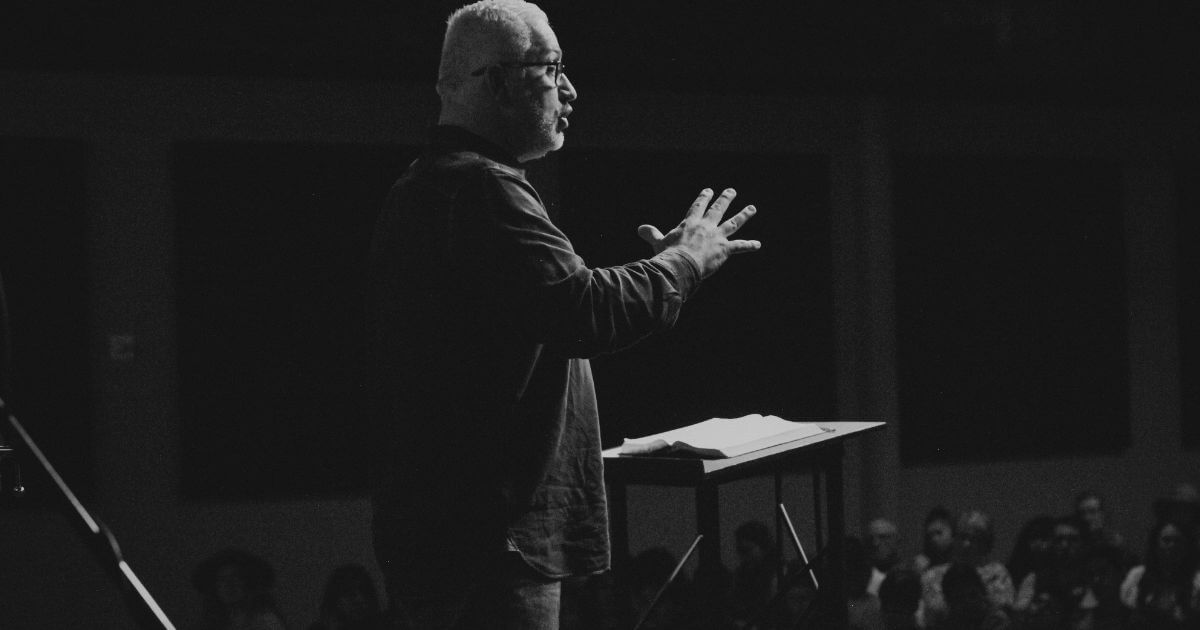
What duties are church elders responsible for?
What duties are church elders responsible for?
Church elders are men who lead, shepherd, and teach the flock. As members, we should seek to encourage, support, and honor elders.
what does the bible say?
Church elders are men who are responsible for the shepherding and direction of the church. Church elders ensure that God’s truth is faithfully proclaimed, and the congregation is spiritually nurtured. They serve as prayer warriors, servant-leaders, and protectors of the flock, seeking the good of others above their own. As members, we are called to support, honor, and encourage elders. We can do this through prayer, practical help, and respectful submission, recognizing that their faithful leadership strengthens the entire church.
from the old testament
- The role of elders in the church is not found in the Old Testament.
from the new testament
- Elders are responsible for guiding the church into theological truth. The pastor may be the primary teacher of the church, but it is the elders’ duty to ensure he and all teachers are preaching accurately from the Word of God. We see this in Acts 15:1–29. In this case, the leadership of the local church was not mature enough spiritually to be able to determine what to do. Instead of fighting, they sent representatives to the apostles and elders at the church in Jerusalem. By submitting to the elders, this church was able to keep the peace and show the elders what issues needed to be resolved.
- Elders are called to be prayer warriors. The qualifications for elders are very high (1 Timothy 3:1–7). A man who can meet the requirements for elder naturally also meets the standard of righteousness mentioned in James 5:16. The prayers of the righteous accomplish much, so it makes sense that the elders are called to pray for the sick in the congregation (James 5:14).
- Elders are called to seek the good of others over their own benefit. Elders are called to be servant-leaders. Their high-profile position may garner attention, but their duty is to build up others. An elder should seek to fill the needs of the congregation and do so humbly and willingly (1 Peter 5:1–4).
- Elders are called to teach the truth. After an elder has determined the truth, he must also teach it. In fact, the position of elder originated because the disciples realized that they could easily lose their focus as the administration of the church became more complex. They knew they needed to concentrate on teaching, so they delegated authority to others (deacons) to see to the more practical issues (Acts 6:1–6). Elders need to devote themselves to “prayer and to the ministry of the word” (Acts 6:4).
- The Bible also explains the duty of the congregation to the elders. We are to submit to them (Hebrews 13:17), test their teaching (2 Peter 2:1–3), and both honor them and make sure their needs are met (1 Timothy 5:17–18). Being an elder is an honor and a great responsibility. While elders should perform their duties without seeking reward, we, as their congregation, should respect them for their work.
implications for today
Being aware of the responsibilities of church elders encourages us to support them in prayer and tangible ways. We can personally commit to praying for their wisdom, discernment, and spiritual strength, recognizing that their spiritual health directly impacts the health of the church. We should seek to follow church elders and be a blessing to them. Hebrews 13:17 tells us, “Obey your leaders and submit to them, for they are keeping watch over your souls, as those who will have to give an account. Let them do this with joy and not with groaning, for that would be of no advantage to you.” The role of an elder comes with great responsibility. We should look for ways to encourage and thank our elders for the way they serve faithfully, biblically, and selflessly. Instead of complaining, we should seek to work toward unity. We can commit to listening to their teaching and wisdom, testing it against God’s Word, and honoring their guidance in our spiritual growth. When we see an issue, we can seek to bring it up with gentleness and respect. When we have an issue in the church, we can seek to follow biblical principles to address it before bringing in the elders (Matthew 18). In following these steps, we encourage our elders to continue faithfully leading the flock. Additionally, we can support them practically by offering encouragement, meeting their needs, and recognizing their efforts, which strengthens the entire church body and helps us grow together in faith.
Recap
understand
- Elders shepherd and guide the church in truth and spiritual growth.
- Elders serve as prayerful, humble leaders, prioritizing others’ needs.
- Members should support and honor elders of the church.
reflect
- How can you personally support and encourage the elders in your church?
- How are you actively submitting to the guidance of your church elders while testing their teaching against God’s Word?
- How are you contributing to unity and respect within the church to ease the burden on your elders?
engage
- How does the church ensure that elders are faithfully guiding and teaching according to Scripture, and how can we hold each other accountable in this?
- What practical steps can we take as a congregation to honor and support our elders while strengthening the church body?
- How can we encourage and model servant-leadership in our roles?