Does the Bible talk about Christian confirmation?
Does the Bible talk about Christian confirmation?
The Bible does not teach Christian confirmation as a requirement for salvation; faith in Jesus alone brings salvation. Rituals like confirmation or church classes can guide growth but do not make someone a Christian.
what does the bible say?
The Bible does not teach that Christian confirmation is required for salvation; becoming a Christian happens through faith in Jesus Christ alone (John 14:6; Ephesians 2:8-9). Salvation is a gift of God’s grace, received by believing that Jesus is the Son of God who died and rose again (John 3:16; Romans 10:9). Baptism identifies believers as part of God’s family, but no formal ritual confirms salvation (Matthew 28:18-20; Acts 2:38; Galatians 3:27-28). The Bible emphasizes that our faith is demonstrated through the way we live, not through ceremonies or church classes (Matthew 7:16; James 2:17). Confirmation developed later in church history as a way to guide young believers and help them publicly affirm their faith, but it does not create or guarantee salvation (Titus 3:5). While confirmation can encourage spiritual growth and participation in the church, it cannot replace the necessity of trusting in Jesus for eternal life (Hebrews 11:6). Ultimately, salvation is secured by God’s grace through faith, and our actions confirm, rather than create, our relationship with Him.
from the old testament
- The practice of confirmation is not mentioned in the Old Testament.
from the new testament
- An individual becomes a Christian by God’s grace through faith in Jesus, not by taking confirmation classes (Ephesians 2:8-9). This includes believing in Jesus as God’s Son who rose from the dead and accepting Him as Lord (Romans 10:9).
- Believers are called to be baptized in the name of the Father, Son, and Spirit (Matthew 28:18-20), identifying themselves as part of the family of God. No formal church process of “confirming” one’s faith is mentioned.
- Our salvation is confirmed by the actions in our lives, not by a ritual. First John 1:6-7 notes that if we have believed, we will walk in the light. Second Peter 1:10-11 teaches, “Therefore, brothers, be all the more diligent to confirm your calling and election, for if you practice these qualities you will never fall. For in this way there will be richly provided for you an entrance into the eternal kingdom of our Lord and Savior Jesus Christ.”
implications for today
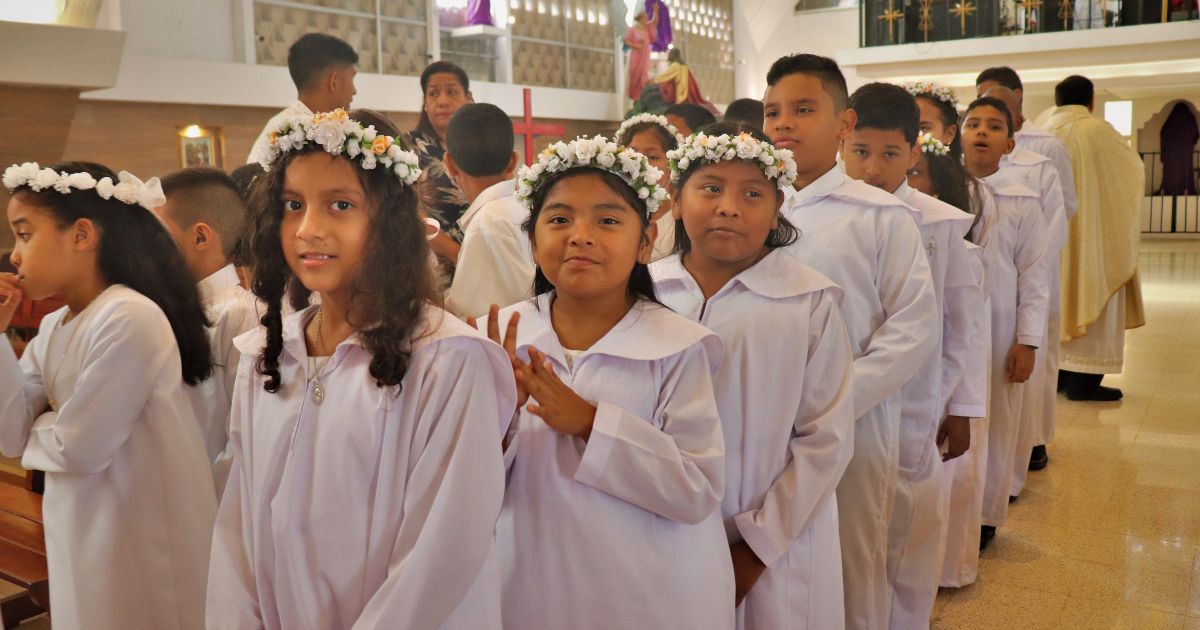
Confirmation is usually defined as the practice in liturgical churches through which a young person becomes an official member of the church and is thought to have a personal, mature acceptance of their faith. Some traditions include a confirmation name. In the Roman Catholic and Anglican traditions, confirmation is also listed as one of the seven sacraments. Confirmation was developed in church history to offer a standardized manner to help young people come to faith in Jesus and become participating members in the church. It is similar to many church membership courses found in Protestant churches today. However, confirmation doesn’t cause a person to become a believer; rather, salvation is by grace through faith in Jesus Christ. People can sometimes mistakenly think they are Christians because they have completed the confirmation process (or a church membership class). However, it is by grace we are saved through faith. No class or confirmation can replace that.
Recap
understand
- Salvation comes through faith in Jesus, not confirmation.
- Faith is confirmed by life and actions, not rituals.
- Confirmation is a historical church practice, not a requirement for salvation.
reflect
- How does knowing that salvation comes through faith in Jesus, not confirmation, affect the way you view your own faith journey?
- How do your actions, priorities, and choices reflect your relationship with Christ?
- How have rituals or church programs shaped your sense of security in your faith, and what steps can you take to place your trust more fully in God’s grace?
engage
- How do different church traditions practice confirmation, and how does this align or conflict with biblical teaching on salvation?
- How can we encourage young believers to grow in faith without making rituals like confirmation seem necessary for salvation?
- What is the significance of salvation being confirmed by actions rather than ceremonies?