Did the Bible copy other religious myths, legends, and traditions?
Did the Bible copy other religious myths, legends, and traditions?
The Bible is God’s unique revelation, not copied from other religious myths or traditions—similarities arise from shared historical events, not from borrowing. The Bible’s distinct theological truths and fulfilled prophecies set it apart as divine truth, confirmed by history and Scripture.
what does the bible say?
“All Scripture is breathed out by God…” (2 Timothy 3:16). The Bible is a unique revelation from God, and not copied from myths and traditions. While there may be thematic similarities from shared historical events, the Bible presents distinct theological and moral perspectives. For example, the Gilgamesh Epic includes a flood account with some similarities to that of the account of Noah and the Flood found in Genesis. Other religious traditions include accounts of a first man or woman that seem to resemble the Garden of Eden. Superficial similarities do not point to one account copying from the other, but to the fact that the stories point back to the same historical event. When comparing similar accounts, great care must be taken in understanding the chronology. The chronology of some ancient documents is not known, so it is uncertain as to which account is earlier. In no case has it been proven that an earlier writing from a different religion was used to compile the Bible.
from the old testament
- Interestingly, the Ten Commandments, a key part of the Old Testament law, were written directly on stone tablets (twice) by the finger of God (Exodus 31:18; 32:15-16; Deuteronomy 10:1-5). Claims that the Ten Commandments were influenced by other cultures lack evidence. The Ten Commandments were written directly by God and not copied from another source.
from the new testament
- “All Scripture is breathed out by God…” (2 Timothy 3:16). Human authors put the words to paper, through their own personal perspectives and styles. The human authors who put words to paper could have adapted relevant cultural or historical stories to make their point. But the ultimate source of this information is not human, but divine.
- Biblical prophecies were not invented by human minds. Rather, these prophecies came straight from the mind of God (2 Peter 1:20-21).
implications for today
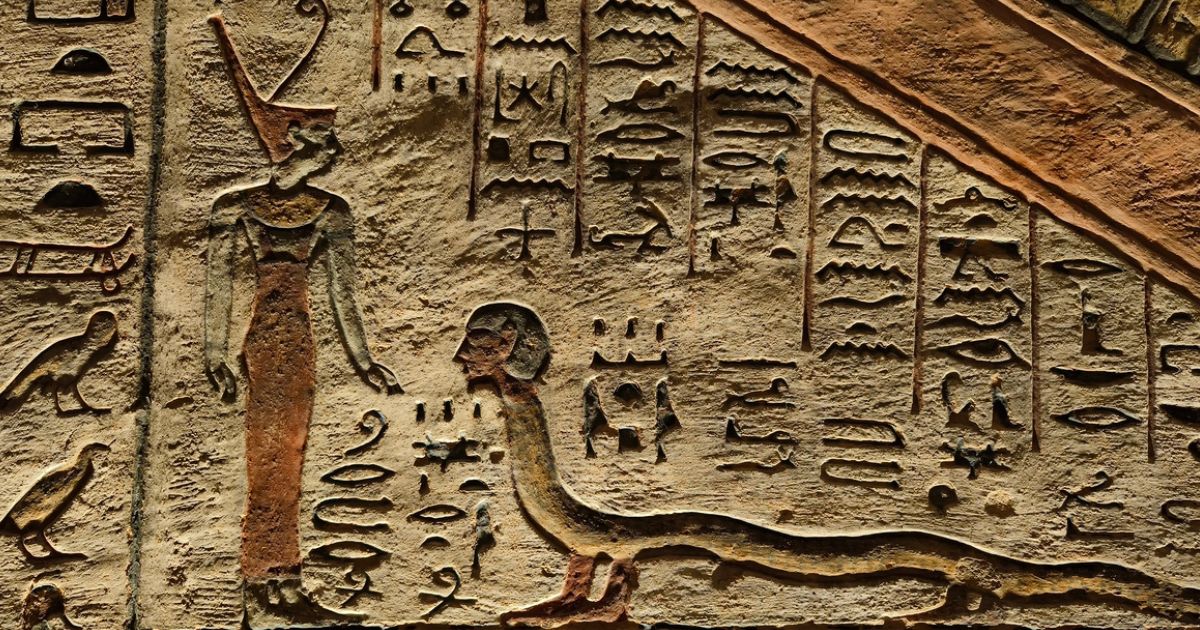
The resurrection of Jesus has also been compared to myths of dying and resurrecting gods in ancient religions, such as those of Osiris, Dionysus, and Mithras. However, while there may be superficial similarities, the biblical account of Jesus’ resurrection is tied to specific historical events and is presented as a unique, divine act rather than a mythological pattern. As C.S. Lewis observed, the life, death and resurrection of Jesus was a “myth become fact.” Recognizing that the Bible is a unique and divinely inspired revelation rather than a compilation borrowed from other religious myths or legends is essential for strengthening our faith and deepening our understanding of Scripture. The Bible’s distinctiveness lies not only in its theological depth and moral teachings but also in its historical reliability and the fulfillment of numerous prophecies that set it apart from other ancient writings. While superficial similarities exist—such as flood narratives found in the Gilgamesh Epic or creation accounts resembling the Garden of Eden story—these reflect shared historical realities rather than copying. The Bible explicitly warns against tampering with its text (Revelation 22:18-19) and affirms that Scripture is “breathed out by God” (2 Timothy 3:16), indicating divine origin beyond human authorship. The Ten Commandments, written directly by God’s finger on stone tablets, further emphasize its uniqueness. Understanding these facts encourages believers to study Scripture carefully and confidently, trusting that God’s Word alone provides the full and accurate revelation needed for life and faith. Understanding the distinctiveness of God’s Word helps us respond to doubts, share our faith effectively, and cultivate a deeper appreciation for the Bible as the foundation of our spiritual journey, grounded in history, prophecy, and divine authority.
Recap
understand
- The Bible is uniquely inspired by God and not copied from other myths.
- The Bible’s prophecies and teachings reveal a divine origin distinct from ancient legends.
- Historical evidence and fulfilled prophecy confirm the Bible’s authenticity and trustworthiness.
reflect
- How does knowing the Bible is uniquely inspired by God affect your confidence in its teachings?
- How have you responded to your own doubts about the Bible’s originality?
- How can recognizing the Bible’s distinctiveness from other works shape the way you study and apply Scripture in your daily life?
engage
- How do shared themes between the Bible and other ancient stories deepen or challenge our understanding of God’s revelation?
- What discernment is needed in distinguishing biblical truth from cultural myths and legends?
- How can we effectively communicate the unique divine authority of Scripture in conversations about faith with skeptics or seekers?